Monday, October 19, 2026 0 min read Artificial intelligence
How Businesses Benefit from Offshore Application Development Services
Learn how offshore application development works, its key benefits, project management strategies, and how virtual development teams help businesses reduce costs and accelerate delivery.
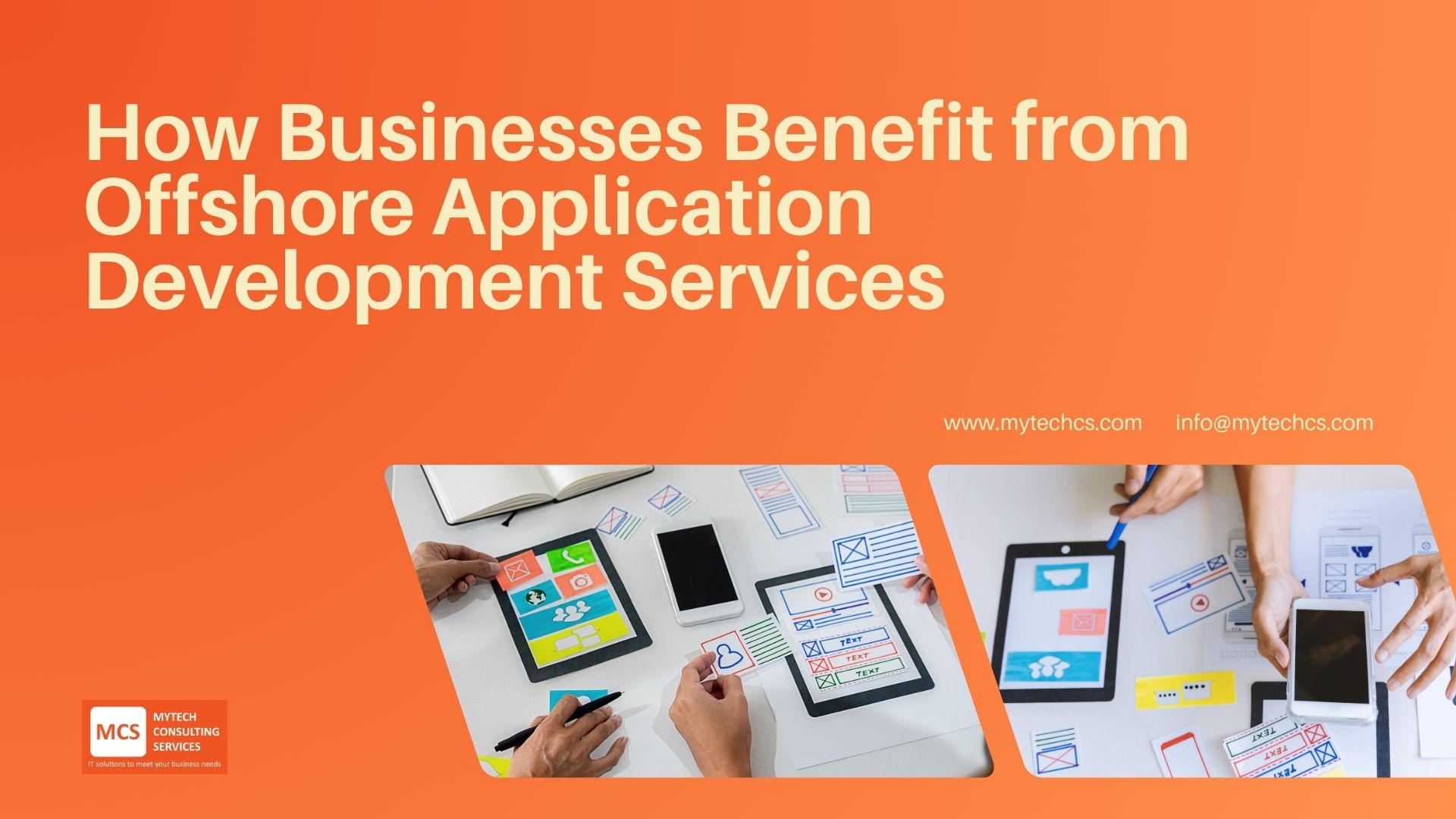
Offshore application development is the practice of building, testing, maintaining, or scaling software applications with developers located in another country. For businesses, it offers a practical way to access skilled talent, increase delivery capacity, and reduce the pressure of hiring every technical role locally.
Instead of treating software development offshore as a short-term handoff, modern companies increasingly use offshore teams as an extension of their internal workforce. These teams can support web applications, mobile apps, enterprise systems, cloud platforms, APIs, testing, DevOps, and ongoing product improvement.
What Is Offshore Application Development?
Offshore application development means partnering with developers, dedicated teams, or a development provider in another country to deliver software work. Offshore teams may be managed directly by the client, managed by the provider, or structured as a hybrid model depending on the project.
The main difference between offshore, nearshore, and onshore development is location. Onshore teams are in the same country, nearshore teams are in nearby regions, and offshore teams are usually based farther away. Offshore application development is often chosen when businesses need a wider talent pool, more flexible scaling, or better cost-to-value alignment.
Read more about our Application Development Services.
How Does Offshore Application Development Work?
The process usually begins with discovery. The business defines its application goals, features, users, technology stack, timeline, budget, and success measures. From there, the provider helps assemble the right team, which may include developers, QA testers, UI/UX designers, DevOps specialists, architects, and project managers.
Once the team is onboarded, work is managed through shared tools such as project boards, repositories, messaging platforms, video meetings, documentation hubs, and agile ceremonies. Effective offshore application development depends on clear requirements, steady communication, quality checks, and planned overlap hours so distributed teams can collaborate smoothly.
Read more about the best places to hire reliable mobile app developers.
Benefits of Offshore Application Development
- Access to a Larger Talent Pool: Businesses are no longer limited to developers available in one city or market. Offshore application development gives companies access to specialised skills in cloud-native development, mobile frameworks, backend architecture, automation, QA, and cybersecurity.
- Scalability for Faster Delivery: Offshore teams help businesses add capacity faster than traditional hiring. This supports product launches, application modernisation, feature backlogs, and support needs without requiring permanent headcount commitments.
- Cost-to-Value Efficiency: The right offshore model can reduce recruitment, payroll, infrastructure, and onboarding overhead while still giving businesses access to experienced professionals who contribute to long-term product quality.
What Is the Advantage of a Virtual Project Team?
- Virtual Project Team: A group of professionals who collaborate from different locations using digital tools, shared workflows, and agreed project processes.
- Advantage of Virtual Project Team Structures: Businesses can build the right development team around the work required instead of relying only on local availability.
- Flexible Development Capacity: Virtual teams help extend capacity, support offshore application development, and scale resources based on project needs.
- Continuous Progress Across Time Zones: Distributed teams can keep development moving across different locations when communication, documentation, and milestones are clearly managed.
- Broader Technical Expertise: Businesses can access developers, QA testers, designers, DevOps specialists, and project managers with specialised experience.
- Project Alignment Requirements: Successful virtual teams need shared goals, defined roles, regular communication, version control, documentation, and visible milestones.
Types of Offshore Development Team Models
A dedicated offshore development team works exclusively on your product and is best for long-term application delivery. An offshore dedicated developer supports an existing team when specific skills or extra capacity are needed. A project-based offshore team suits defined builds with clear scope, while a hybrid model combines internal staff with offshore specialists.
Read more about different app development projects: retail app development and mobile app development and see which one is best for your business.
Offshore Application Development vs In-House Development
|
Factor |
Offshore Development |
In-House Development |
|
Talent pool |
Global |
Local or internal |
|
Scaling |
More flexible |
Usually slower |
|
Costs |
More variable and value-based |
Higher fixed overhead |
|
Management |
Depends on model |
Fully internal |
Challenges and Best Practices
Common challenges include time-zone differences, unclear requirements, communication gaps, quality control, security risks, and loss of product knowledge. These risks can be reduced with strong onboarding, documented requirements, defined quality standards, secure access controls, regular sprint reviews, and clear ownership of decisions.
How to Choose an Offshore Application Development Partner
Look for proven technical expertise, relevant project experience, developer vetting, transparent communication, security practices, flexible team scaling, and long-term support. The best partners do not simply provide developers; they help create a delivery structure that supports business goals and application quality.
For businesses evaluating offshore application development, MYtech can support planning and delivery through our IT experts for our Virtual Development Teams.
Read more about our IT staffing services.
Final Thoughts
Offshore application development helps modern businesses build and scale applications without being limited by local hiring constraints. When supported by the right team model, communication process, and governance structure, it can improve speed, flexibility, and access to specialised skills while maintaining control over software outcomes.
Offshore Application Development FAQs
What is offshore application development?
Offshore application development is the process of building, testing, or maintaining software applications with developers located in another country.
How does offshore application development work?
It works by defining project requirements, choosing the right team model, onboarding offshore developers, managing work through shared tools, and maintaining regular communication, testing, and delivery reviews.
What are the benefits of offshore application development?
The benefits include access to a larger talent pool, faster scaling, specialised technical skills, flexible delivery capacity, and better cost-to-value alignment for software projects.
What is the advantage of a virtual project team?
The advantage of virtual project team structures is that businesses can access global expertise, scale roles around project needs, and collaborate efficiently through digital tools without requiring every team member to be in the same location.
What is the difference between offshore and nearshore development?
Offshore development usually involves working with teams in more distant countries, while nearshore development involves teams in nearby countries or similar time zones.
Related Article: How Low Code Platforms Accelerate App Development for Businesses