Tuesday, May 27, 2025 4 min read IT Services
Modernizing Legacy Applications with Virtual Teams
Learn how virtual development teams help modernize legacy applications, minimizing disruption while ensuring a smooth transition to updated systems.
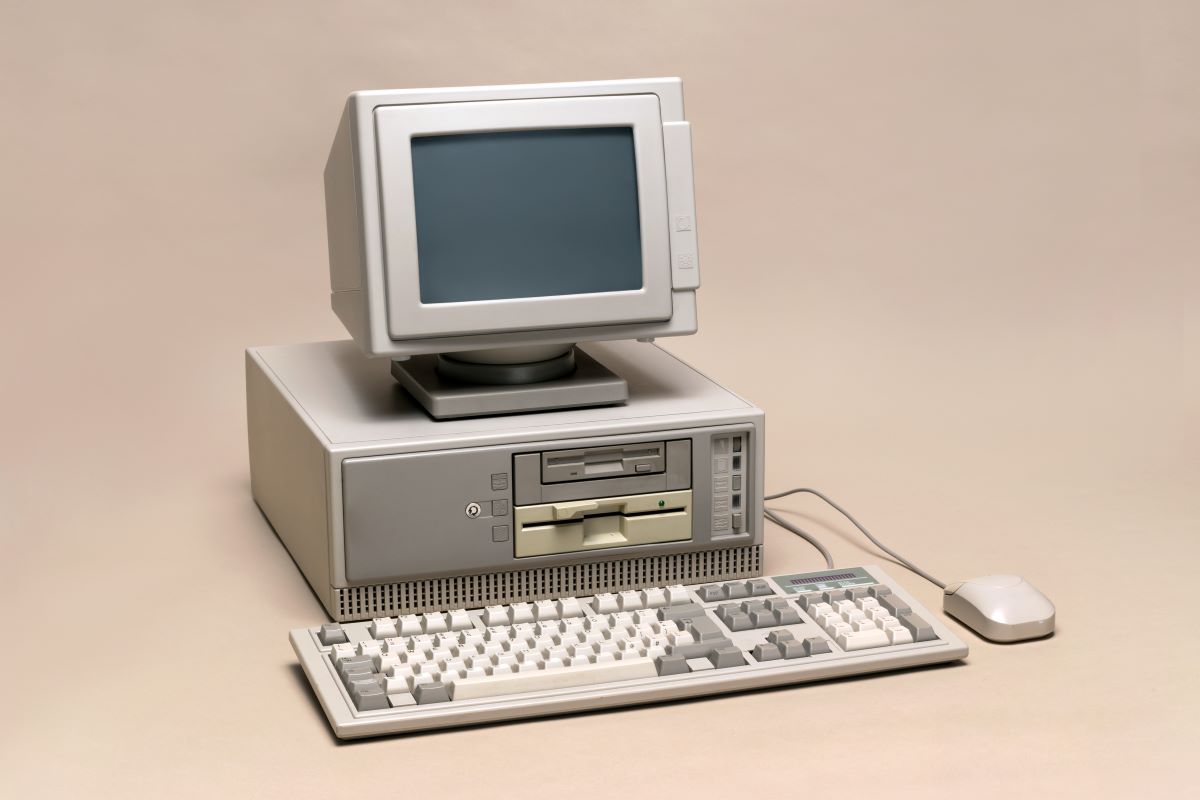
As businesses strive to stay competitive, the need to update outdated systems becomes paramount. Remote development teams are at the forefront of this transformation, offering flexibility and expertise to navigate the complexities of modernization.
Understanding Legacy Applications
Legacy applications are older software systems that continue to serve critical business functions. While they may have been effective in their prime, these systems often present challenges such as:
- Limited Scalability: Difficulty in handling increased workloads or user demands.
- Security Vulnerabilities: Outdated security protocols that expose the system to potential breaches.
- High Maintenance Costs: Continuous patching and manual interventions to keep systems running.
- Incompatibility with Modern Platforms: Challenges in integrating with newer systems, tools, and platforms.
These limitations can hinder innovation and growth, making modernization essential.

The Role of Remote Teams in Modernization
Virtual development teams bring a wealth of benefits to the modernization process:
- Access to Specialized Skills: Remote teams often possess expertise in modern technologies and methodologies, enabling them to tackle complex modernization tasks effectively.
- Cost Efficiency: Outsourcing to remote teams can reduce overhead costs associated with in-house development.
- Flexibility: Remote teams can adapt to various project requirements and timelines, ensuring timely delivery.
- Global Talent Pool: Access to a diverse range of skills and perspectives enhances problem-solving and innovation.
Strategies for Effective Modernization
To ensure a successful modernization journey, consider the following strategies:
- Assessment and Planning: Evaluate the existing system to identify areas that require modernization. Develop a comprehensive plan outlining objectives, timelines, and resources.
- Choose the Right Modernization Approach: Decide on an approach that aligns with business goals, such as re-platforming, refactoring, or rebuilding.
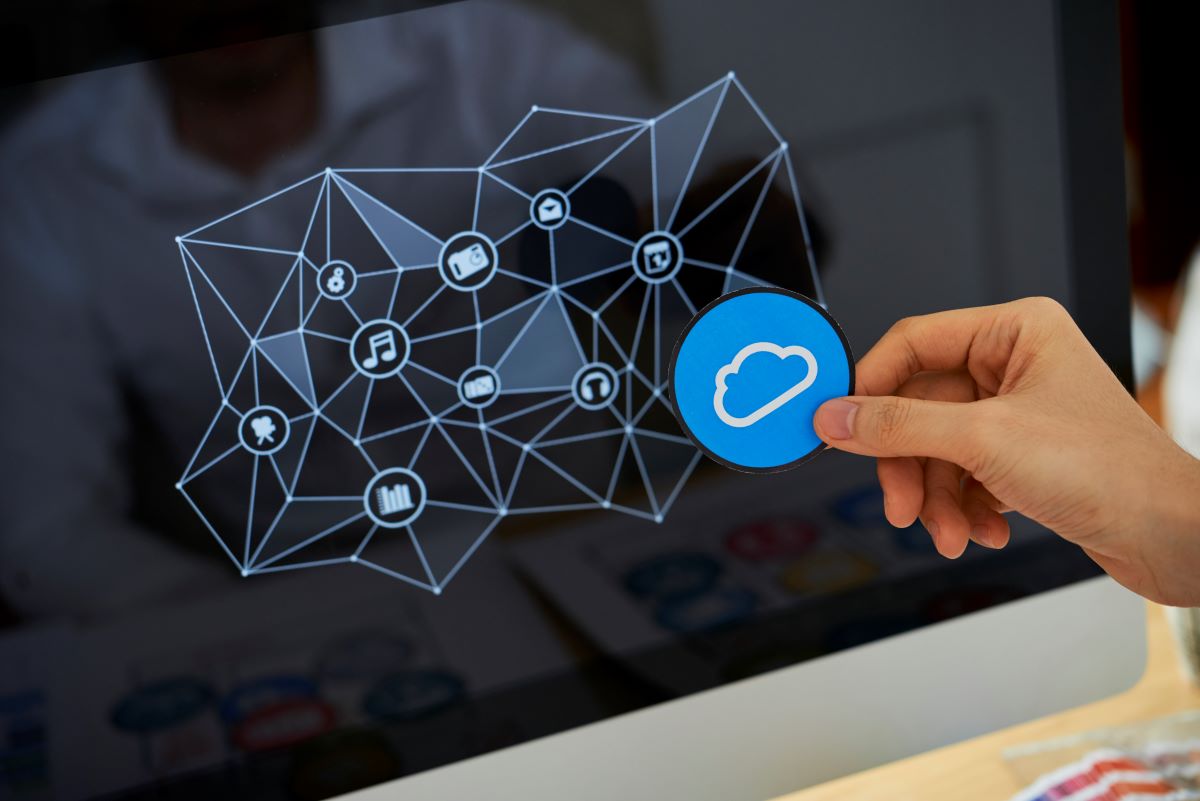
- Adopt Modern Technologies: Incorporate technologies like cloud computing, microservices, and APIs to enhance scalability and flexibility.
- Implement Agile Methodologies: Utilize agile practices to ensure iterative development and continuous improvement.
- Ensure Data Integrity and Security: Prioritize data protection and compliance with industry standards throughout the modernization process.
Tools and Technologies for Modernization
Leveraging the right tools is crucial for effective modernization:
- Cloud Platforms: Services like AWS, Azure, and Google Cloud provide scalable infrastructure for hosting modernized applications.
- Containerization: Tools like Docker and Kubernetes facilitate the deployment and management of applications in isolated environments.
- DevOps Practices: Implementing continuous integration and continuous deployment (CI/CD) pipelines ensures efficient and reliable software delivery.
- APIs and Integration Tools: APIs enable seamless communication between modernized applications and existing systems.
Overcoming Challenges in Modernization
Modernizing legacy applications comes with its own set of challenges:
- Resistance to Change: Stakeholders may be hesitant to adopt new systems. Effective communication and training can mitigate this.
- Data Migration Complexities: Transferring data from legacy systems to modern platforms requires careful planning to ensure integrity and consistency.
- Skill Gaps: The need for specialized skills may necessitate training or hiring efforts.
Addressing these challenges proactively ensures a smoother modernization process.
Conclusion
Modernizing legacy applications is a strategic move that can drive efficiency and innovation. By leveraging the expertise of remote development teams and adopting modern technologies, businesses can transform outdated systems into agile, scalable solutions that meet current and future demands.
Related Article: The Role of Managed IT Support for Business Success